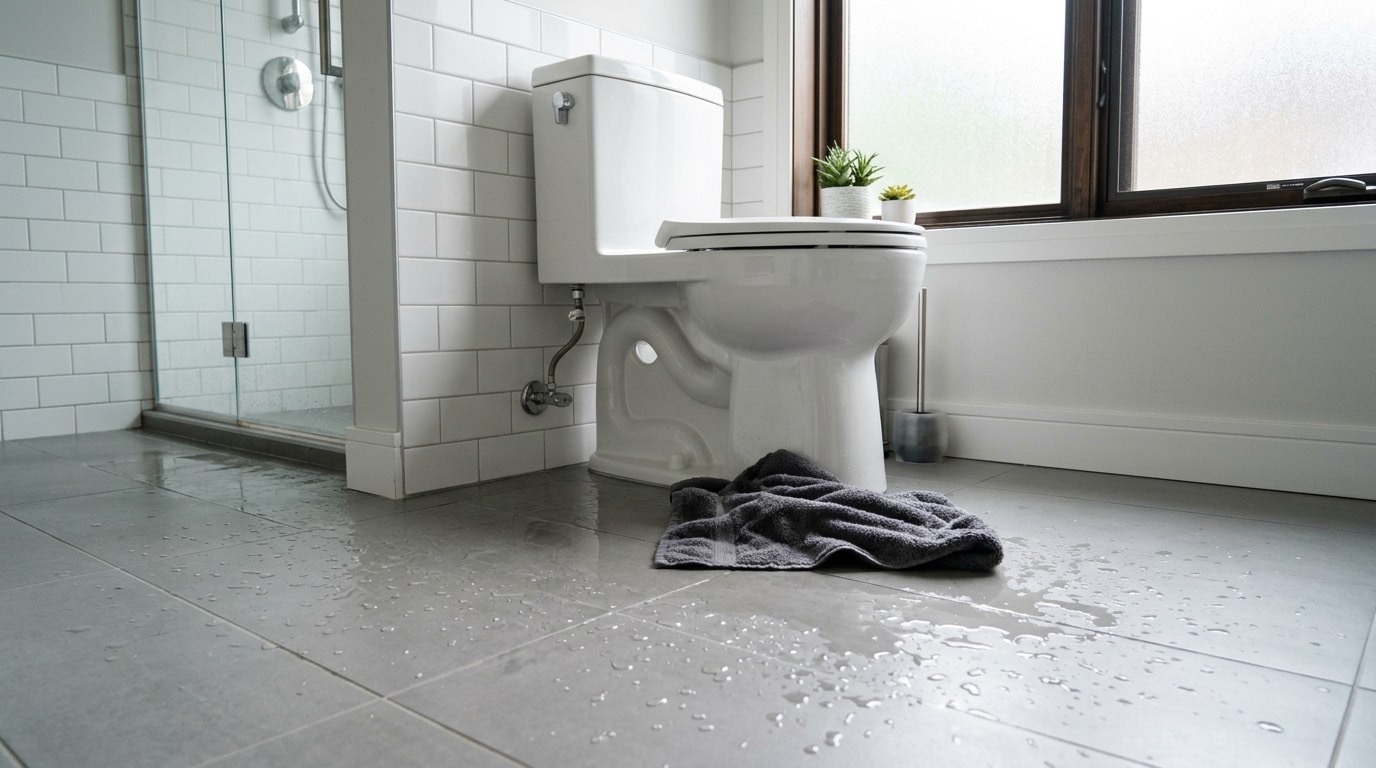
A toilet that won't stop rising can flood a bathroom floor in under two minutes, so knowing how to stop a toilet from overflowing in Glen Rose, TX starts with one move: shut off the water before you do anything else. Most overflows stop within sixty seconds once you work through the right steps in order. Here's exactly what to do, plus why repeat overflows in this area often trace back to a septic system instead of a simple clog.
Step 1: Shut Off the Water Immediately
The first move is the same no matter what caused the problem. Panic-flushing is the single biggest mistake homeowners make. A second flush sends more water into a bowl that's already full and guarantees a bigger mess.
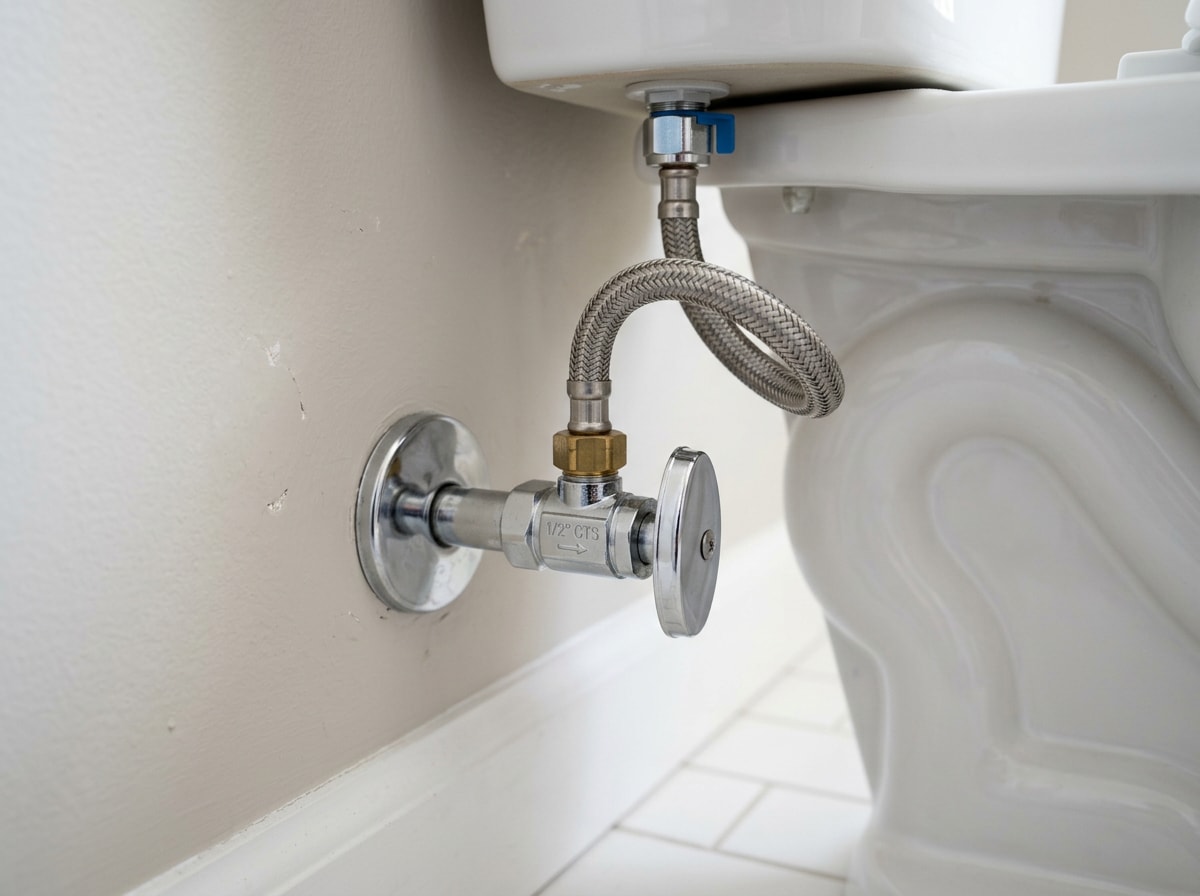
- Find the shutoff valve, usually a small oval knob on the wall or floor behind the toilet base. Turn it clockwise until it stops.
- If the valve is corroded, stuck, or missing, lift the float inside the tank by hand to stop water from feeding in, or shut off your home's main water supply.
- Do not flush again. A second flush only adds more water to a bowl with nowhere to drain.
If water keeps rising after these steps and you're on a private septic system, it's often a sign the problem is downstream of the toilet. A septic site evaluation can confirm whether the tank or drain field is the real issue.
Close the Flapper and Secure the Float
When the shutoff valve won't cooperate, two manual backups buy you time: holding the flapper shut by hand, or securing the float so the tank stops refilling.
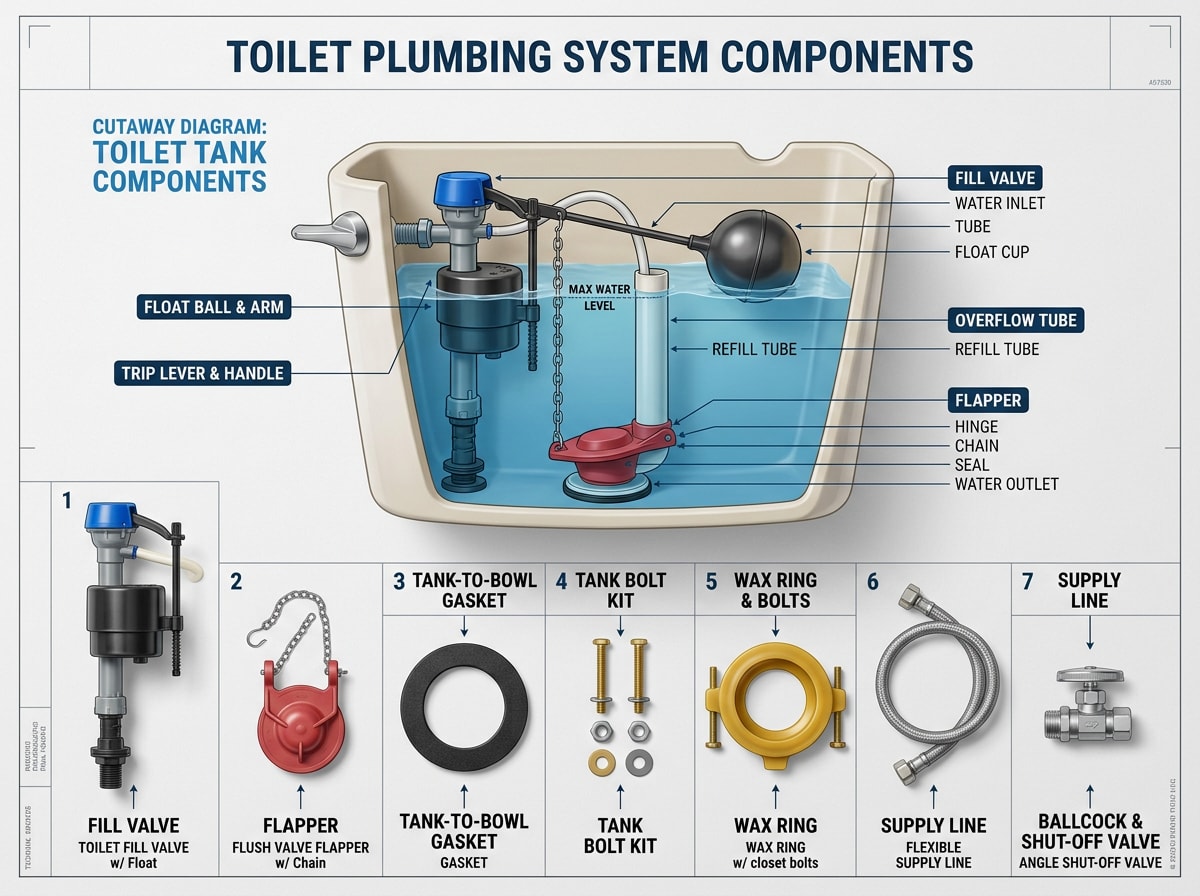
Lift the tank lid and find the rubber flapper attached to the flush lever by a small chain. Press it firmly against the valve seat to stop water from entering the bowl. If your toilet uses a float ball or float cup instead, bend or tie the arm up so the fill valve reads the tank as full and shuts off.
Step 2: Contain and Clean Up the Overflow
Stopping the flow is only half the job. Standing water on the floor needs to go before you start troubleshooting the clog itself.
Use a cup, bucket, or wet vacuum to remove the excess water, then pour it down a sink or tub drain. If the water contains waste or debris, wear gloves, bag solid material separately, and disinfect the bathroom floor once it's dry.
Toilet overflow water isn't just unpleasant to deal with. If it backed up from the drain line rather than overflowing from the tank, it can carry the same pathogens as raw sewage. Workers who handle human waste or sewage may be at increased risk of becoming ill from waterborne diseases , which is why gloves and a thorough cleanup matter even for a small household spill.
What Causes a Toilet to Overflow in Glen Rose, TX
A toilet overflows when something blocks normal drainage or a mechanical part fails to shut off water flow. Common causes include clogs from paper or non-flushable items, a faulty fill valve, a blocked vent pipe, or a blockage in the sewer line or septic system.
The most frequent culprit is a clog from too much toilet paper or items that should never be flushed, like wipes, feminine hygiene products, or small toys. When there's no visible clog, a running toilet or worn fill valve can send water into the overflow tube even when the bowl doesn't need it. A blocked vent pipe is less common but disrupts the air pressure that lets water drain properly, and it usually needs a professional.
Most of Somervell County runs on private septic rather than municipal sewer, and that changes the troubleshooting order. In our experience servicing septic systems around Glen Rose, the overflows that keep coming back week after week are almost never a stubborn clog. They're a tank nearing capacity or a saturated drain field, and no amount of plunging fixes that.
| Cause | Key Sign | DIY-Possible? |
|---|---|---|
| Clogged toilet | Water rises, then slowly drains | Yes |
| Fill valve issue | Tank refills constantly, no clog | Usually |
| Blocked vent pipe | Gurgling, slow drains house-wide | No |
| Drain line blockage | Multiple fixtures back up together | Sometimes |
| Sewer line blockage | Backup from the lowest drain in the house | No |
| Septic tank full or failing | Slow drains, odor, soggy yard | No |
Residential plumbing code backs up why a working fill valve should never let water reach the rim in the first place: flush tanks shall be provided with overflows discharging to the water closet connected thereto and such overflow shall be of sufficient size to prevent flooding the tank at the maximum rate at which the tanks are supplied with water according to the manufacturer's design conditions . If your tank is overflowing anyway, a part has failed.
Step 3: Fix the Clog
Once the water's contained, here are the actual repair steps, in order of complexity.
- Start with a flange plunger, the kind with an extra rubber flap that extends into the drain opening. Get a tight seal over the hole and plunge in short, forceful bursts rather than slow pushes.
- If the clog won't clear after several tries, a toilet auger, sometimes called a plumber's snake, reaches further into the trap than a plunger can. Feed the cable in slowly and crank the handle to break up or hook the blockage.
- Chemical drain cleaners are risky in toilets. An enzyme-based or eco-friendly treatment is a gentler last resort, but never mix two chemical products together, because the combination can produce dangerous fumes.
Foreign Find: Removing Stuck Objects With a Toilet Auger
Sometimes the clog isn't paper at all. It's a toothbrush, toy, or other object that fell in. A toilet auger can often hook and retrieve a foreign object causing the clog, but go slowly. Forcing the cable too hard risks scratching or cracking the porcelain bowl.
How to Prevent Future Toilet Overflows
A few habits catch most problems before they become an emergency.
- Flush only waste and toilet paper. Products labeled "flushable" often don't break down fast enough and can snag in the line.
- Watch for early warning signs like slow draining or gurgling after a flush; both suggest a partial blockage forming.
- Every few months, open the tank and check that the float chain isn't tangled and the float sits low enough that the fill valve shuts off before water reaches the overflow tube.
- Replace a worn flapper or fill valve every few years. It's cheap insurance compared to an emergency call.
WaterSense-certified toilets also must have a chemical-resistant flush valve flapper or seal to prevent leaks over time , which is one reason a mismatched replacement part wears out faster.
If your overflows keep tracing back to the yard rather than the bowl, soggy spots near the drain field are worth checking before they turn into a bigger repair. Drainage solutions can redirect surface water away from a struggling septic system, and a free estimate is a fast way to find out whether it's the fix you need.
When to Call a Local Professional
Plunging and a quick part swap solve most one-time overflows. Call a professional when the toilet backs up repeatedly, multiple drains in the house act up at the same time, or you're on a septic system and notice slow drains, odors, or a wet patch in the yard.
Henderson Land Services works on septic systems and drainage throughout Glen Rose, TX and the surrounding county, including septic system evaluations and installation when a toilet problem turns out to be a tank or drain field issue. For a related read, see our guide on overflow drains and drainage fixes in Granbury, TX.
FAQ
Why Is My Toilet Overflowing But Not Clogged?
A toilet can overflow with no clog present when a running toilet, a faulty fill valve, or a backed-up main sewer line pushes water past the tank's shutoff point or up through the bowl from below.
Why Does My Toilet Keep Overflowing Even After Plunging?
Repeated overflow despite plunging usually means the clog sits deeper than a plunger can reach, or the blockage is further down the line. A toilet auger or professional snaking is typically the next step. On septic systems, a full tank or saturated drain field can also mimic a clog that plunging will never clear.
How Do I Stop a Toilet From Overflowing Without a Plunger?
Shut off the water supply valve first, then hold the tank flapper closed or lift the float by hand to stop the tank from refilling. If no tool is available to clear the clog itself, bail out the standing water and wait; most clogs are not fully watertight and will slowly drain on their own.
What Causes a Toilet to Suddenly Overflow?
A sudden overflow is almost always a new blockage, either an object that fell in, a buildup of paper, or a fill valve that just failed. A sudden overflow that happens with no flush at all usually points to a stuck fill valve or a backup from further down the drain line.
Should I Replace My Whole Toilet After an Overflow?
Rarely. Most overflow incidents resolve with clog removal or a low-cost part swap like a new flapper or fill valve, unless the porcelain is cracked or structurally damaged. If problems keep recurring, schedule a free estimate so a technician can check for a deeper drain or septic issue.
---
About the Author: This guide was prepared by the team at Henderson Land Services, a Glen Rose, TX area excavation and septic system contractor that installs, evaluates, and repairs septic systems, drainage, and site work across Somervell County. Questions about a recurring overflow tied to your septic system or yard drainage? Contact us for a free estimate.