Plumbing system installation in Eastland, TX, follows a fixed sequence, layout, rough-in, trim-out, inspection, and skipping or reordering a step is how homeowners end up cutting into finished drywall. Eastland County's clay soil, mixed foundation types, and rural septic connections add a few wrinkles that national how-to guides never mention. This guide walks through every stage, the current 2026 cost ranges, and the groundwork decisions that determine whether your install goes smoothly or gets expensive fast.
What a Full Plumbing System Installation Includes
A whole-house plumbing system is really four subsystems working together: the water supply system, the drain-waste-vent (DWV) system, hot water delivery, and the individual connections for every sink, toilet, tub, and appliance. Each one depends on the others being installed in the right order.
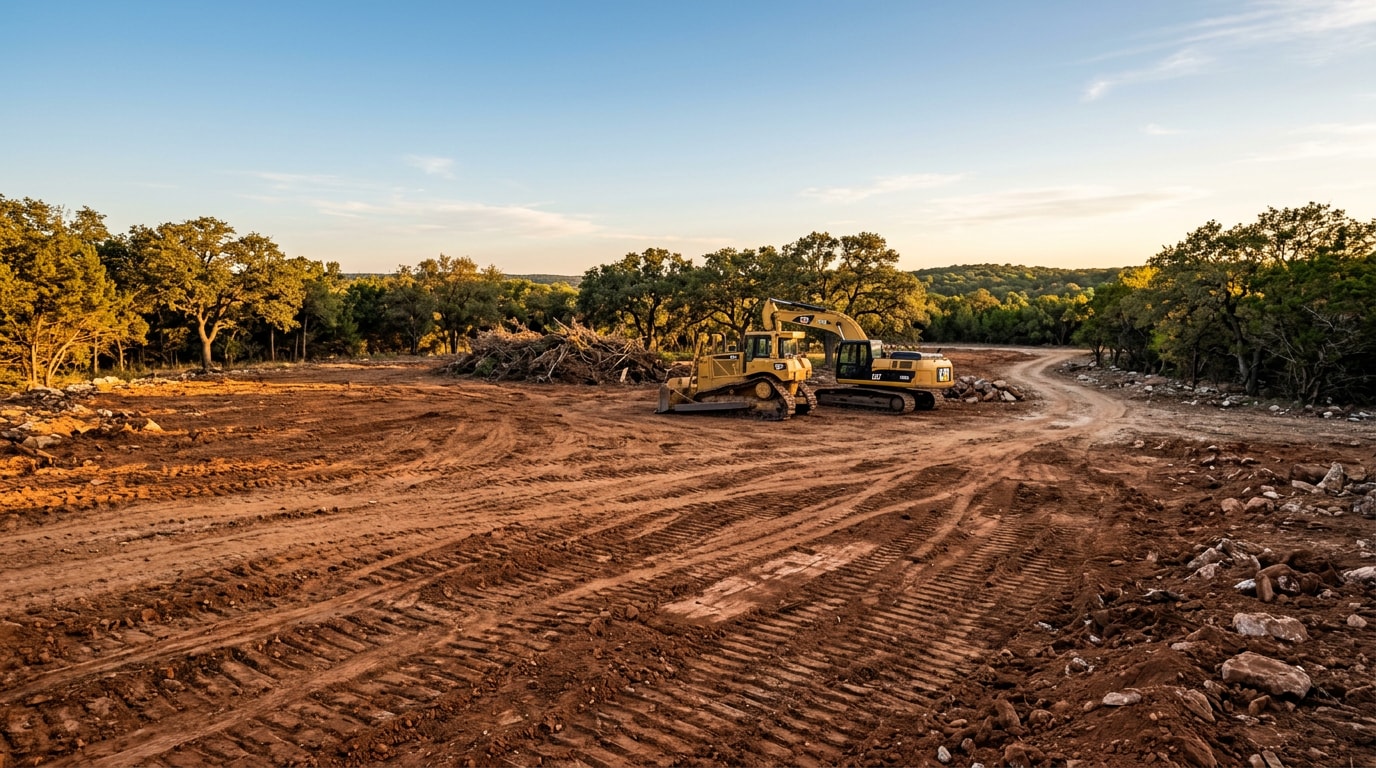
For an Eastland homeowner, foundation type drives most of the early decisions. Many homes in the area sit on slab or pier-and-beam foundations, and that choice determines whether supply and drain lines get placed before a slab pours or routed through a crawl space afterward. Henderson Land Services has spent years cutting house pads and trenching utility runs ahead of plumbing crews across Eastland County, and the projects that go fastest are always the ones where the pad grading and trench layout were planned before anyone touched a pipe. You can see how that groundwork fits into a build at Henderson Land Services.
Planning the Plumbing Layout Before Permits
Before anyone cuts pipe, the water supply, drainage, venting, and fixture locations get mapped out for the entire home. That layout becomes the blueprint every later stage follows, and it has to satisfy local code before a permit is issued.
Water heater placement deserves real attention at this stage. Centralizing it near high-use fixtures cuts heat loss and shortens the wait for hot water at distant taps.
Layout decisions made now should leave room for later changes. Adding a bathroom, a water softener, or an outdoor kitchen is far cheaper if the original plan accounted for it, and permit sign-off from the local building authority typically happens before rough-in work can start.
Rough-In Installation: Underground and Above-Ground Work
Once framing is up and before walls close, plumbers start the rough-in stage, installing the pipework that eventually hides inside walls, floors, and ceilings. This is where most of the invisible network takes shape.
This stage covers:
- The main water supply line from the source into the home
- Drain and sewer pipe setup leading to the septic system or municipal sewer
- Vent pipe installation for proper drainage airflow
- Water lines feeding sinks, toilets, showers, and appliances
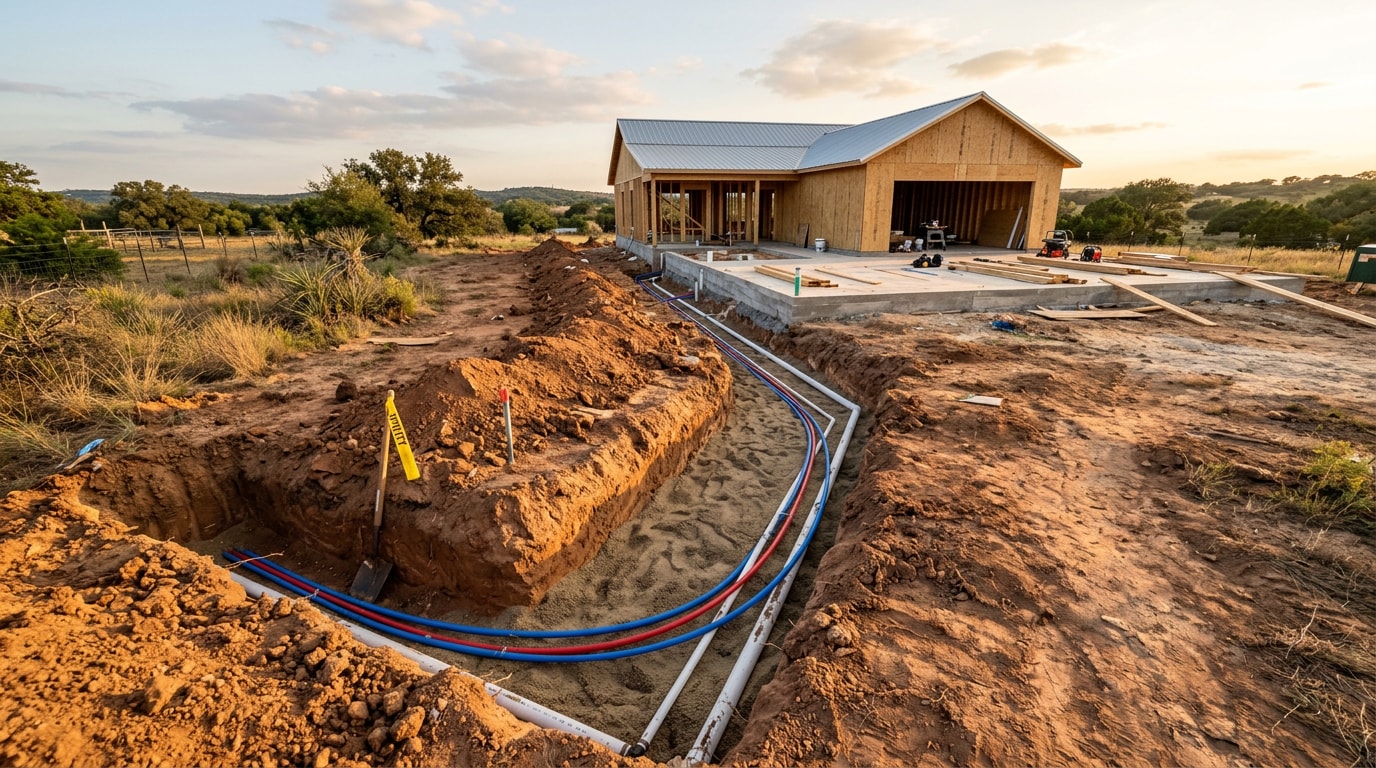
Underground rough-in means trenching and laying pipe below the frost line with proper bedding, installing backflow prevention devices where required, and pressure-testing the supply line before backfilling. Above-ground rough-in happens after that, as technicians build out the DWV system and coordinate pipe paths with the framing.
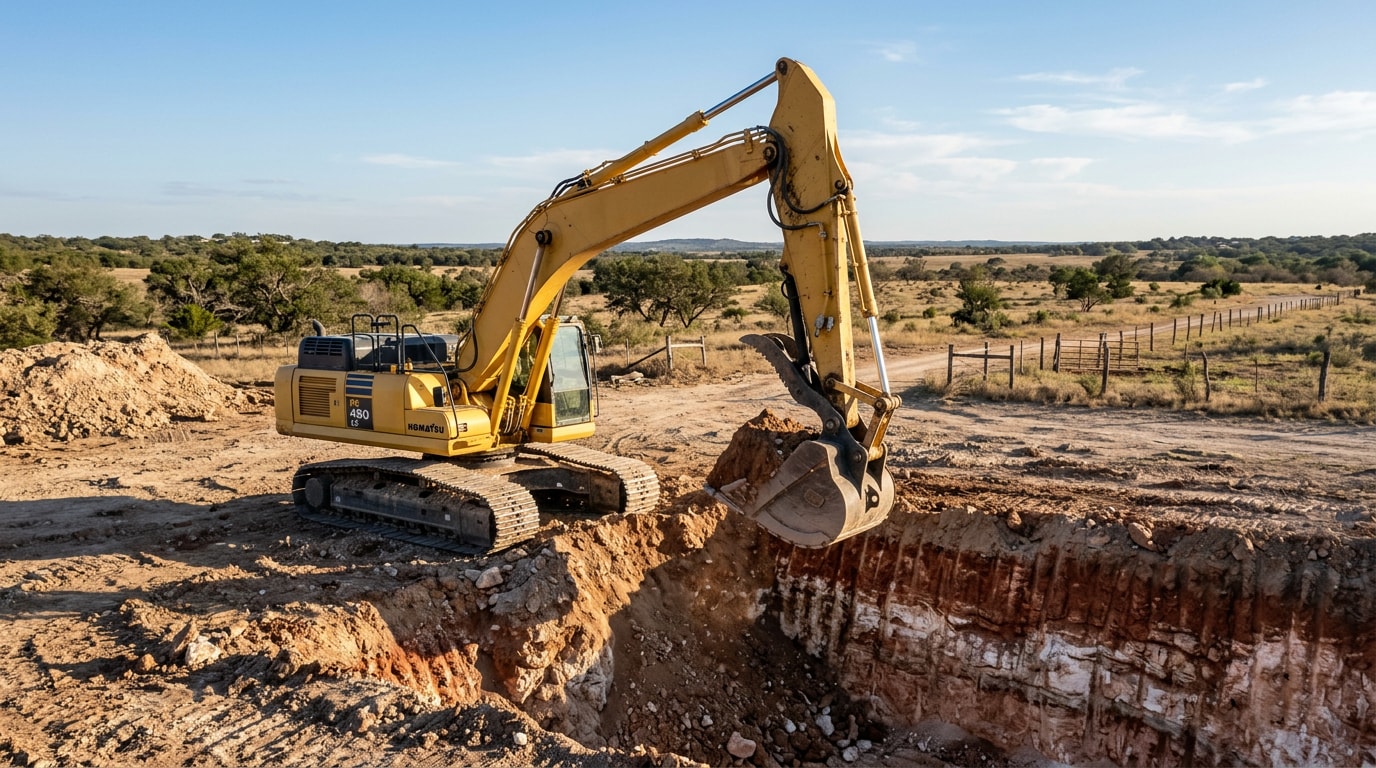
Eastland's clay-heavy soil shifts seasonally and can stress underground pipe joints more than sandier soils do. Paired with occasional hard freezes, trench depth and bedding material matter more here than in milder climates, which is also why trenching crews and plumbers typically coordinate closely. If you're planning new trenching or a house pad ahead of rough-in, our excavation contractor team handles that groundwork locally, including house pad preparation for slab builds.
| Factor | Underground Rough-In | Above-Ground Rough-In |
|---|---|---|
| Timing | Before foundation pour or slab work | After framing, before walls close |
| Key risk in Eastland | Clay soil shift, frost line depth | Freeze exposure in unconditioned spaces |
| Inspection focus | Trench depth, bedding, backflow devices | Pipe slope, venting, fitting support |
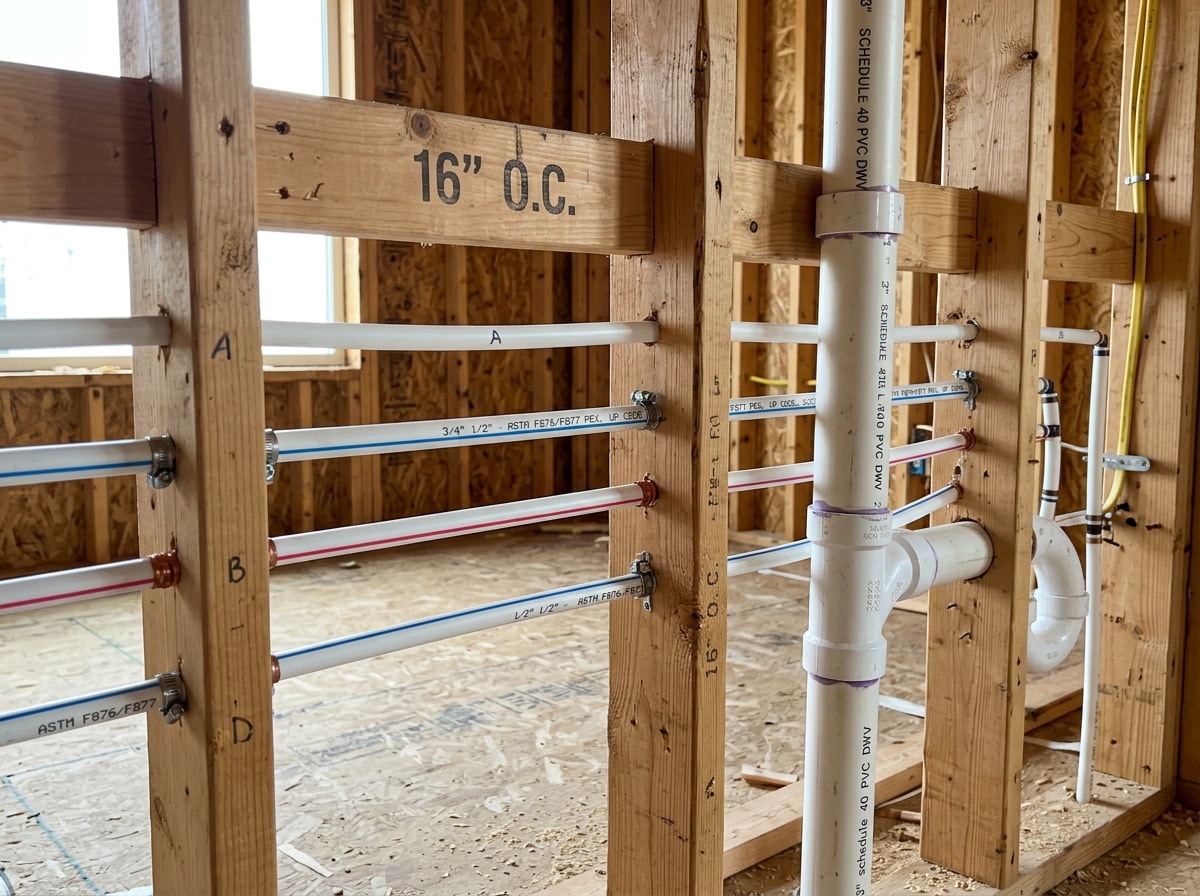
Rough-in work has to meet the slope and venting requirements set by whichever plumbing code the jurisdiction has adopted. The Texas State Board of Plumbing Examiners is required to adopt the Uniform Plumbing Code and the International Plumbing Code, and the 2021 editions are the ones most commonly adopted by local jurisdictions across the state and reflect nationally recognized plumbing standards. You can review the current rule language directly through the Texas Secretary of State's register of TSBPE rules.
<!-- NOTE: placeholder removed, real external link inserted below -->
Fixture Installation: From Rough Tubs to Finished Trim-Out
Large fixtures like tubs and showers go in before walls and doorways are fully framed out. That order makes it far easier to access plumbing connections, and it avoids the fitting headaches that show up when someone tries to squeeze a tub through a finished doorway.
Once walls are closed, painted, and flooring is down, plumbers move into trim-out. This is when every visible fixture goes in and the system becomes fully operational.
Trim-out typically includes:
- Toilets, sinks, faucets, and vanities
- Shower and bathtub fittings
- Water heaters, whether tank or tankless
- Dishwashers, washing machines, and refrigerator water lines
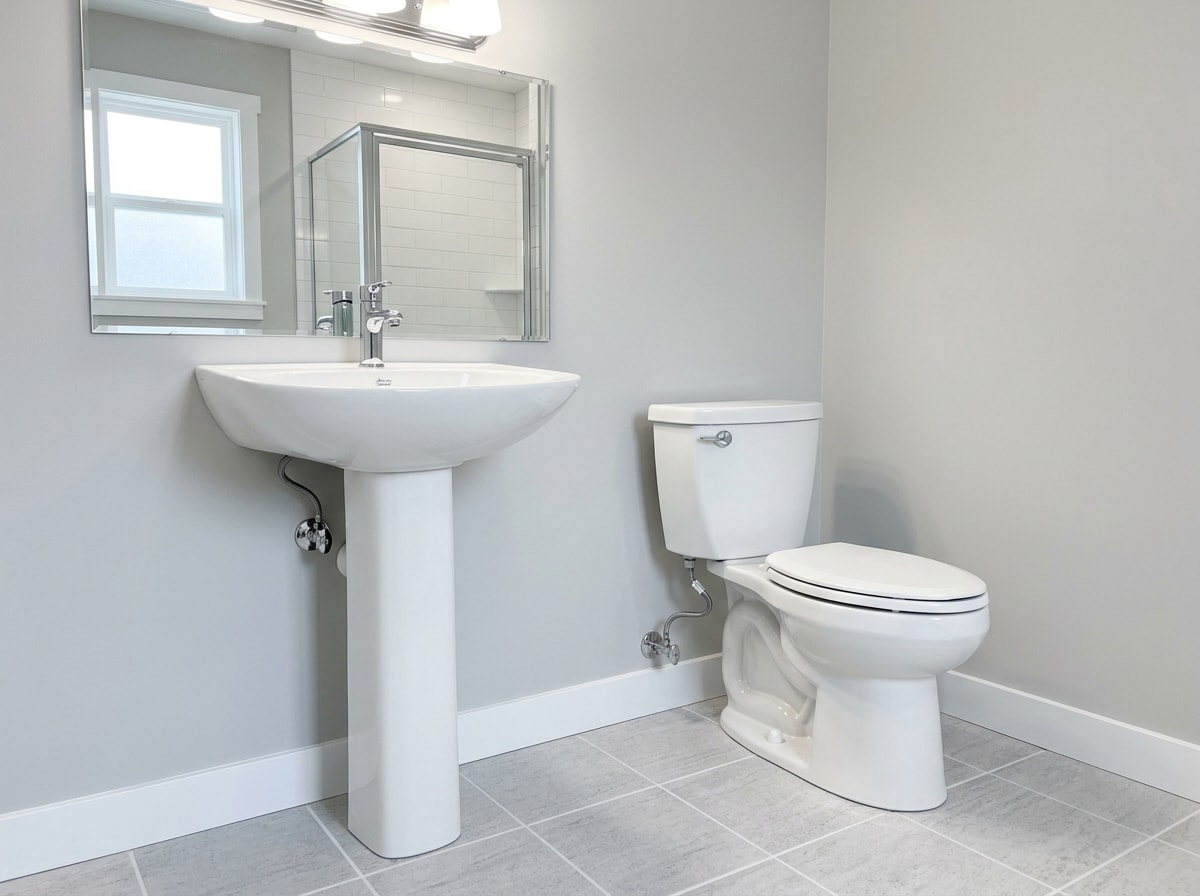
Toilet installation trips up a surprising number of DIYers because the wax ring, flange height, and supply valve all have to line up correctly before the bowl ever gets set. If you want to see how the parts actually connect, our toilet plumbing diagram guide for Eastland, TX breaks down every component.
Passing Inspection: Pressure Tests and Final Sign-Off
A final plumbing inspection checks every fixture and accessible connection for leaks before a home can close up or get approved for occupancy. The standard sequence is to pressure-test the system and fix any leaks first, then install fixtures, appliances, shutoff valves, and final connections.
Good installation work protects a property from slow leaks, drain backups, sewer-gas odors, and the expensive repairs that follow months or years later. In Eastland, a licensed inspector or the local authority having jurisdiction has to sign off before walls close or a certificate of occupancy gets issued. Proper site grading also matters here: poor drainage around a foundation can mask or worsen a leak that would otherwise be caught early, which is why drainage solutions are often part of the same project scope as plumbing rough-in.
Tools, Materials, and Pipe Choices That Hold Up in Eastland
Plumbing installation relies on a specific tool set: PEX crimp tools, pipe wrenches, hacksaws, and torpedo levels, each essential for cutting, fitting, and aligning pipe correctly.
Material choice matters just as much as the tools:
- PVC is lightweight, resists corrosion, and installs easily, making it a common choice for drainage systems.
- Copper is durable and handles high temperatures well, so it's often preferred for water supply lines.
- PEX is flexible, resists scale and chlorine buildup, and installs faster than rigid pipe, which is why it's popular for retrofits and systems needing fewer fittings.
Fitting and valve quality shouldn't be an afterthought. High-quality brass or stainless-steel fittings resist leaks better over time, and full-port ball valves are generally recommended for main shutoffs since they don't restrict flow.
Material selection for potable water lines isn't something to shortcut, either. Section 1417 of the Safe Drinking Water Act establishes the definition for "lead free" as a weighted average of 0.25% lead across the wetted surfaces of a pipe, pipe fitting, plumbing fitting, and fixture, and prohibits installing anything that doesn't meet that standard in a facility providing water for human consumption. The EPA's lead-free plumbing rule covers the full detail if you're comparing fittings for a potable water line.
Plumbing Installation Costs in Eastland, TX (2026)
New construction plumbing involves multiple phases, from underground work to final fixture installation, with costs typically running $4 to $10 per square foot and totaling roughly $8,000 to $20,000 for a standard home, reaching $24,000 or more for larger custom builds with premium fixtures.
A commonly cited planning range for new construction plumbing nationally is $4 to $8 per square foot, with simple example ranges landing around $8,000 to $16,000 for a 2,000-square-foot home.
Several factors drive the total:
- Home size and layout – Multi-story homes need longer vertical runs and more venting.
- Fixture count – More bathrooms mean more supply lines, drains, and vents.
- Pipe material – Copper costs more upfront than PEX or PVC but lasts longer.
- Labor rates – Billed hourly and varies by market and contractor overhead.
- Permit fees – Set by the local jurisdiction, typically $50 to $500.
A typical cost breakdown looks like this:
| Category | Share of Budget |
|---|---|
| Piping and rough materials | 20–30% |
| Fixtures and trim | 20–35% |
| Skilled labor | 35–45% |
| Excavation and underground rough work | 5–10% |
| Permits and contingency | 5–15% |
Labor is the single biggest line item, so it's worth knowing what a fair quote looks like. The median annual wage for plumbers, pipefitters, and steamfitters was $63,800 in May 2025 , according to the U.S. Bureau of Labor Statistics. That national wage figure is a useful benchmark when you're comparing quotes, though actual shop rates billed to homeowners run higher once overhead, trip charges, and warranty coverage are factored in. Rural Texas markets like Eastland often land toward the lower end of that range compared to major metro areas.
Request a free estimate to get project-specific numbers for your home rather than relying on national averages alone.
Well Water, Septic Tie-Ins, and Rural Eastland County Considerations
Plumbing guides written for subdivision homes almost never mention this, but a large share of Eastland County properties aren't on municipal water or sewer. That changes the installation sequence: the drain line has to tie into a septic system instead of a city main, and the site needs a soil evaluation before a design can even be permitted.
Septic systems are increasingly common and account for about 20% of the new homes built in Texas , and Texas has roughly 2.6 million on-site septic systems under TCEQ Chapter 285 rules . The rules governing septic installation statewide are found in Title 30, Texas Administrative Code Chapter 285 , enforced through the Texas Commission on Environmental Quality.
For a new build in Eastland County, the practical order is: site evaluation, septic design and permit, septic installation, then the home's drain line gets tied in during rough-in. We cover that full process through our septic system contractor services, including septic site evaluation and conventional septic installation for properties throughout the Eastland, TX area.
FAQ
What are the three main stages of plumbing in new construction?
The three main stages are layout and design, rough-in installation where pipes go behind walls and underground, and trim-out, when final fixtures like sinks and toilets get installed and the system becomes operational.
What is included in a plumbing system installation?
A full installation covers the water supply system, the drain-waste-vent system, hot water delivery, and the individual connections for every sink, toilet, tub, and appliance. It also includes any underground work tying the home into a municipal line or a septic system.
How much does plumbing installation cost for a new house?
A full-house plumbing installation typically runs $4 to $10 per square foot, or roughly $8,000 to $20,000 total for a standard-size home, depending on fixture count, pipe material, and local labor rates. Larger custom builds with premium fixtures can run higher.
How long does plumbing installation take?
Rough-in work generally takes a few days to a week depending on home size, while the full plumbing timeline, layout through trim-out, tracks the broader construction schedule, often several weeks to a few months.
Do I need a permit for plumbing installation in Eastland, TX?
Yes. Most Texas jurisdictions, including Eastland County, require a plumbing permit for new installation work, and septic installations need a separate OSSF permit through the county's authorized agent under TCEQ rules. Confirm specific requirements with the local building department before work begins.
Can I install my own plumbing, or do I need a licensed plumber?
Texas requires a licensed plumber for most installation and repair work tied to a potable water system, and code-covered work has to pass inspection before walls close. Minor fixture swaps are sometimes allowed without a license, but main line work, DWV installation, and septic tie-ins should go through a licensed professional.
Who handles site prep and septic tie-ins for a new plumbing system in Eastland County?
Excavation, house pad grading, trenching, drainage, and septic installation are typically handled by a local excavation and septic contractor working alongside the plumber. Contact Henderson Land Services to coordinate that groundwork before your plumbing crew starts rough-in.